


 02 Apr 2024
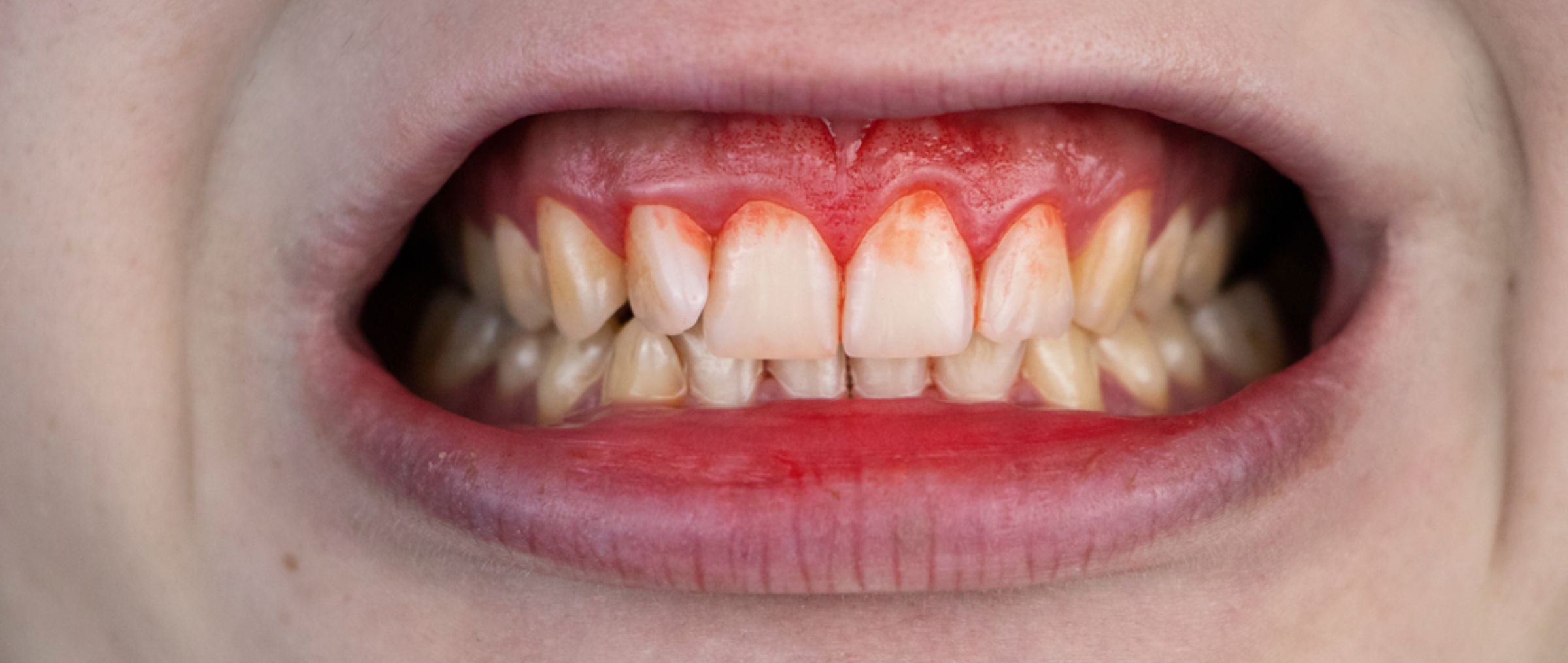
If your gums are bleeding, you don’t need to worry immediately. Bleeding gums can have several causes, and not all of them are serious. However, in some cases, they can be caused by gum disease or by injury, and you may need to seek emergency dental care.
What causes bleeding gums, what you can do and when to get an emergency dentist appointment, we’ll talk about in this blog.
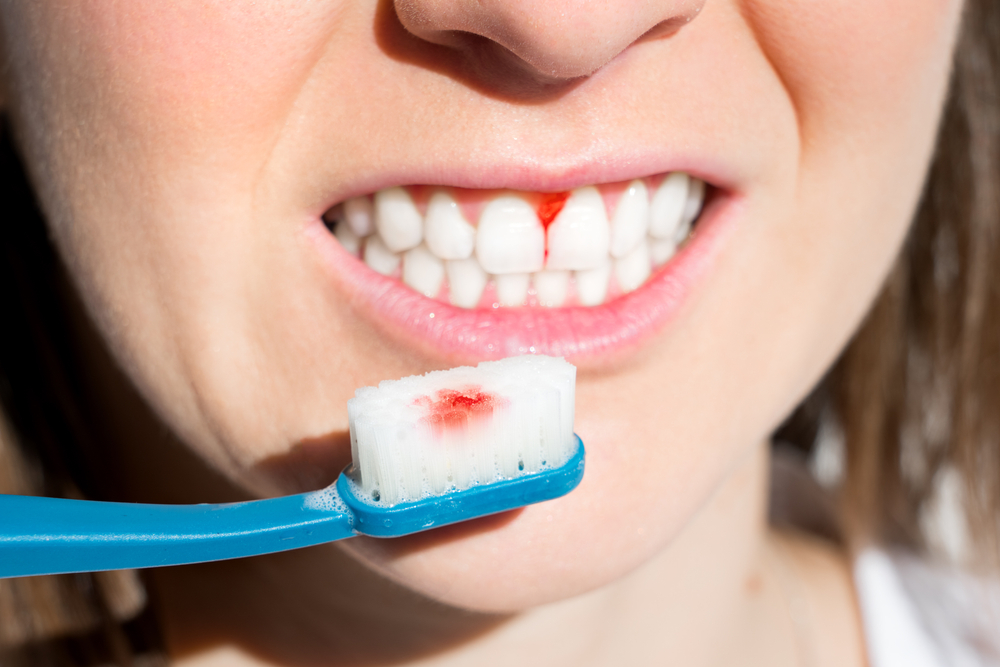
Bleeding gums are a relatively common occurrence and can simply be a result of brushing too vigorously; however, they can also be a sign of gum disease or other oral health problems.
Gum disease occurs when a buildup of bacteria in the mouth infects the gums, causing red, swollen gums, bleeding, irritation and bad breath. If it’s not treated promptly, it can cause gums to recede, leading to tooth sensitivity, loose teeth and even tooth loss. So if you have bleeding gums, you should see a dentist promptly to have your symptoms checked and any necessary treatments planned.
Maintaining good oral hygiene, including brushing, flossing, and regular dental visits, is key to preventing and managing gum disease, so if symptoms like bleeding gums persist, prompt dental evaluation and treatment are crucial to prevent further complications and preserve oral health.
You can also take some simple steps to help stop your gums from bleeding if it is a sudden and unexplained symptom, or if you’re waiting for your dentist appointment, including:
However, if your gums are bleeding frequently or if the bleeding is severe, it’s important to seek professional dental advice as soon as possible and maintain regular dental check-ups for evaluation and treatment.
It may seem counterintuitive to brush bleeding gums, as it seems the brushing is causing them to bleed, but it’s important to continue brushing your teeth gently even if your gums are bleeding. Your gums may be bleeding as a result of gum disease, so keeping your mouth bacteria-free is essential to help stop the progression of gum disease.
Use a soft-bristled toothbrush and gentle, circular motions to clean your teeth and gums without hurting your gums further or causing them to recede. Additionally, use a fluoride toothpaste to help prevent tooth decay and maintain good oral hygiene. If bleeding persists despite gentle brushing or if you have concerns about your oral health, it’s essential to see a dentist for further evaluation and guidance on the cause of the issue and how to manage symptoms.
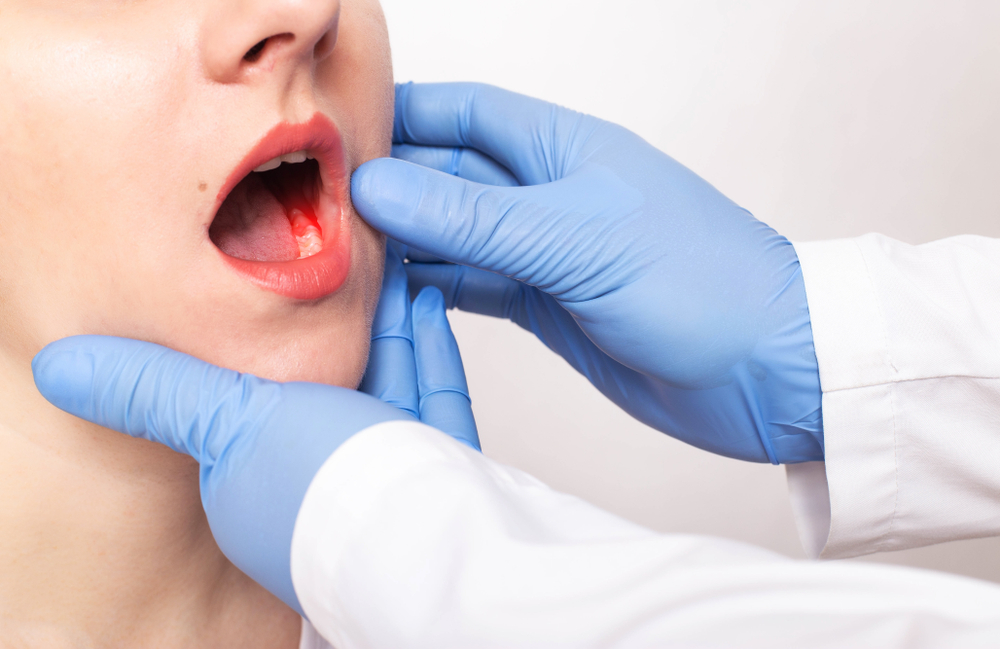
Having bleeding gums doesn’t necessarily mean you have a serious dental issue or that you need to see a dentist in an emergency. However, if your gums have been bleeding frequently, getting worse, you’ve had an injury, or you’re experiencing other symptoms alongside, you should see an emergency dentist to have the issue checked before it gets worse or causes another problem with your oral health.
If the gum bleeding is accompanied by any of the following symptoms, you should seek emergency dental care:
In most cases, an emergency dentist will see you within 24 hours and will advise you on how to manage your symptoms until your appointment. However, if your symptoms are life-threatening, i.e. you’re struggling to breathe, speak or swallow due to the swelling, the bleeding is heavy and uncontrollable, or you have a very high fever and feel like you may become unconscious, you should go to A&E or call 999 to get help as soon as possible.
Emergency dentistry can be expensive, so it’s best to have regular check-ups to avoid high fees where possible. However, if an emergency occurs and you need to see a dentist as soon as possible, you should know how to get an emergency dental appointment.
Call your regular dentist to see if they can see you quickly, or listen to their voicemail message when calling out-of-hours, to learn about open emergency dentists in your area.
If you don’t have a registered dentist, call 111 or search online for “emergency dentists near me” to find out where you can go for both NHS and private emergency dentist appointments.
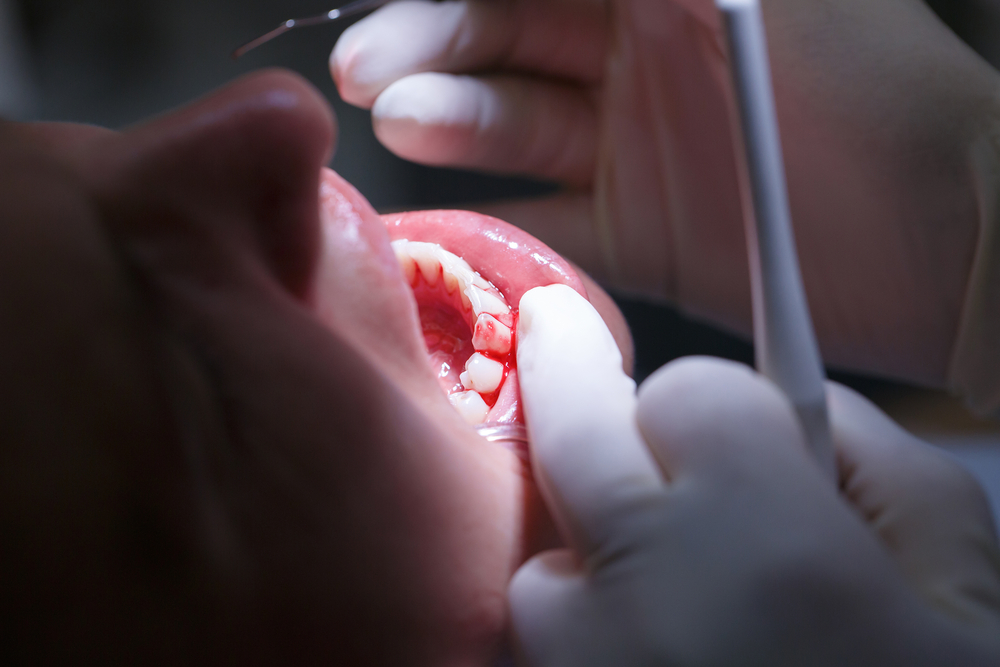
Depending on the cause and the severity of bleeding gums, a dentist can treat you in several ways. The main cause of bleeding gums is gum disease, which cannot be cured, but symptoms can be managed and in some cases, receded gums can begin to heal and slowly regrow, but you need to maintain excellent oral hygiene, including regular visits to the dentist and have other dental issues addressed to prevent plaque buildup, tooth decay, and worsening gum disease.
Some options for addressing bleeding gums include:
A dentist can perform and recommend each of these treatments, but scaling and polishing are usually performed by dental hygienists, while periodontists are usually better equipped to perform more serious treatments on the gums. Dental hygienists can also advise on lifestyle changes such as improving diet, drinking more water and quitting smoking to help improve your oral hygiene and stop your gums from bleeding.
Since gum disease cannot be cured, proper oral hygiene care and maintenance are essential to prevent the condition from worsening, but ultimately, once gum disease has set in, it can be difficult to stop your gums from bleeding permanently.
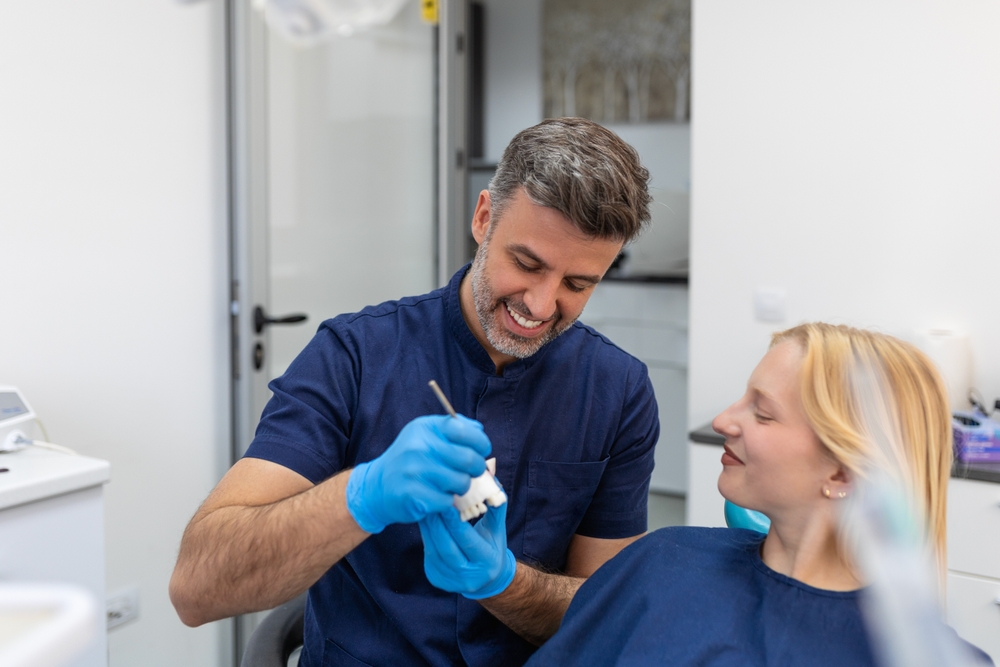
Having gum disease doesn’t mean you can’t have other dental treatments, but your dentist will need to manage your symptoms of gum disease before it’s safe to perform other dental procedures such as fitting dental implants, crowns or bridges.
Dental implants are quite an invasive procedure as the tooth needs to be installed into the jaw, while crowns are placed over a problematic tooth and dental bridges are used to fill the gap left by a missing tooth by attaching to the teeth on either side of the gap. Although they are less invasive than dental implants, bridges and crowns still require slimming some of the teeth down by removing enamel before the crown or bridge can be installed, so the teeth need to be in good condition before this can be done.
One cause of gum disease is poor oral hygiene, which causes plaque build-up, leading to tooth decay and infections of the gums. Your dentist will help you improve your oral hygiene and treat your gum disease via scaling and polishing or root planing, so the dental treatments can be performed with fewer risks involved, as with better oral hygiene, your mouth can heal more quickly.
Dental bridges and dental implants can also be expensive procedures, so you need to have better oral hygiene to ensure they don’t become damaged by plaque and need replacing sooner. No dental treatment is permanent, so you need to look after your teeth and any false teeth or enhancements equally well.
The Eye and Dental Clinic has an expert team of dental practitioners ready to help you with your dental woes. For routine appointments and emergency dental care, contact the Eye and Dental Clinic today!
Read our latest news for more interesting blogs, or check out our practice policies:


Discover how our dental treatments have helped patients smile confidently and live better with personalised care, comfort, and lasting results.
View More









Hemlata T
Had a deep clean today with Alla and Rachel, which was great, they were very gentle and even fixed a stubborn stain between my teeth, which they noticed during the...

Amanda K
If I could give more than 5 stars for Mr J Uddin, I would. The reception staff were really polite and helpful. I had my chalazion removal surgery 2 months...
Nicole
Very satisfying. Dr J. Uddin removed a cyst on my upper lid. He explained everything to me before and during the procedure, and he has a very calming appearance. The...
Christine C
I had a great experience here over multiple appointments. I was very nervous beforehand, but Imran (my dentist) helped me stay calm during each visit and explained everything clearly, which...
Hemlata T
Had a deep clean today with Alla and Rachel, which was great, they were very gentle and even fixed a stubborn stain between my teeth, which they noticed during the...
Amanda K
If I could give more than 5 stars for Mr J Uddin, I would. The reception staff were really polite and helpful. I had my chalazion removal surgery 2 months...
Nicole
Very satisfying. Dr J. Uddin removed a cyst on my upper lid. He explained everything to me before and during the procedure, and he has a very calming appearance. The...
Christine C
I had a great experience here over multiple appointments. I was very nervous beforehand, but Imran (my dentist) helped me stay calm during each visit and explained everything clearly, which...
601 reviews

Great experience at my appointment today, staff are lovely and very informative!

Such professional service from Imran and the team, everything gets explained in detail and with care, thank you so much! :)

Great fast and painless experience.

New patient, terrified on arrival. Wonderful receptionist Olivia who calmed me down on the phone making the appointment. Lovely manner from the dental staff who put me at ease straightaway. A lot of treatment ahead but so far excellent and would recommend

The staff were exceptionally helpful and went above and beyond to make me feel at ease. I am anxious about visiting the dentist but the staff were extremely patient and took their time to ensure I had the best care possible. A superb service! Thank you
Write a review (opens in a new tab) See all reviews on Google (opens in a new tab)


