


 22 Jan 2025
Consuming dairy after tooth removal may increase the risk of infection or discomfort due to interactions with blood clots, but this varies by individual and situation. We’ll discuss whether dairy is the right choice for you after tooth removal.
Diet plays a crucial role in recovery after tooth removal, as the body needs proper nourishment to heal effectively. Consuming the right nutrients can accelerate tissue repair, reduce inflammation, and prevent complications.
Proteins are vital, as they aid in tissue regeneration. Vitamin C supports collagen production, which is essential for gum healing, while calcium strengthens the jawbone. Zinc also plays a part in wound healing, and iron supports oxygen transport for overall recovery.
Soft foods are recommended to minimise discomfort and avoid irritating the sensitive area where the tooth was removed. Ideal options include mashed potatoes, apple sauce, scrambled eggs, and soups (allowed to cool to a lukewarm temperature). It’s essential to steer clear of hard, crunchy, or chewy foods that could disturb the healing site.
Patients are advised to avoid consuming food or beverages that are too hot or cold after a tooth extraction, as the gum around the socket will be particularly sensitive to extreme temperatures. Additionally, alcohol and carbonated drinks can disrupt the blood clot that forms in the socket, leading to complications like dry socket. To protect the socket and facilitate healing, it is best to avoid these for at least a week.
By focusing on a nutrient-rich, soft-textured diet and avoiding potential irritants, you can ensure a smoother recovery and reduce the risk of discomfort or infection. Always follow your dentist’s recommendations for optimal healing.
After a tooth extraction, it’s important to know what’s normal and when to seek help. Mild swelling, discomfort, and minor bleeding are normal in the first 24-48 hours. If bleeding continues when you go home after your appointment, you can stop bleeding by gently biting on a clean gauze pad for 20-30 minutes.
On the first night post-extraction, you may experience slight discomfort, but pain can be managed with painkillers like ibuprofen, although make sure to take this after eating to avoid stomach irritation. You should also sleep with your head elevated to minimise swelling. You must avoid spitting or rinsing forcefully to maintain the blood clot and prevent further bleeding or infection risk.
Healing typically takes 1-2 weeks for the gum tissue and several months for the bone to fully recover.
Seek emergency dental care if you notice severe pain after 2-3 days, as this is a sign of abnormal healing and a possible complication like dry socket. Excessive bleeding that doesn’t stop after applying pressure, or signs of infection like fever, pus, or foul odour are also cause for concern, so you should contact your dentist as soon as possible.
Swelling that worsens instead of improving and causes difficulty breathing requires immediate attention from a hospital, not your dentist.

The debate about consuming dairy products after a tooth extraction revolves around their potential risks and benefits during the healing process. Dairy products are nutrient-rich and can provide protein and calcium, which are essential for recovery. However, their consumption immediately post-extraction depends on several factors, including the type of dairy and its preparation.
In countries like the UK, milk is often not ultra-heat treated (UHT), meaning it contains live bacteria. These bacteria, while generally harmless, may pose a risk to open wounds – in this case, the extraction site – potentially leading to infection. In contrast, milk in countries like France and the USA is typically UHT-treated, eliminating live bacteria and making it safer to consume after an extraction.
Similarly, other dairy products like yoghurt and some cheeses may contain live bacteria, which could interfere with the healing process if oral hygiene is not diligently maintained.
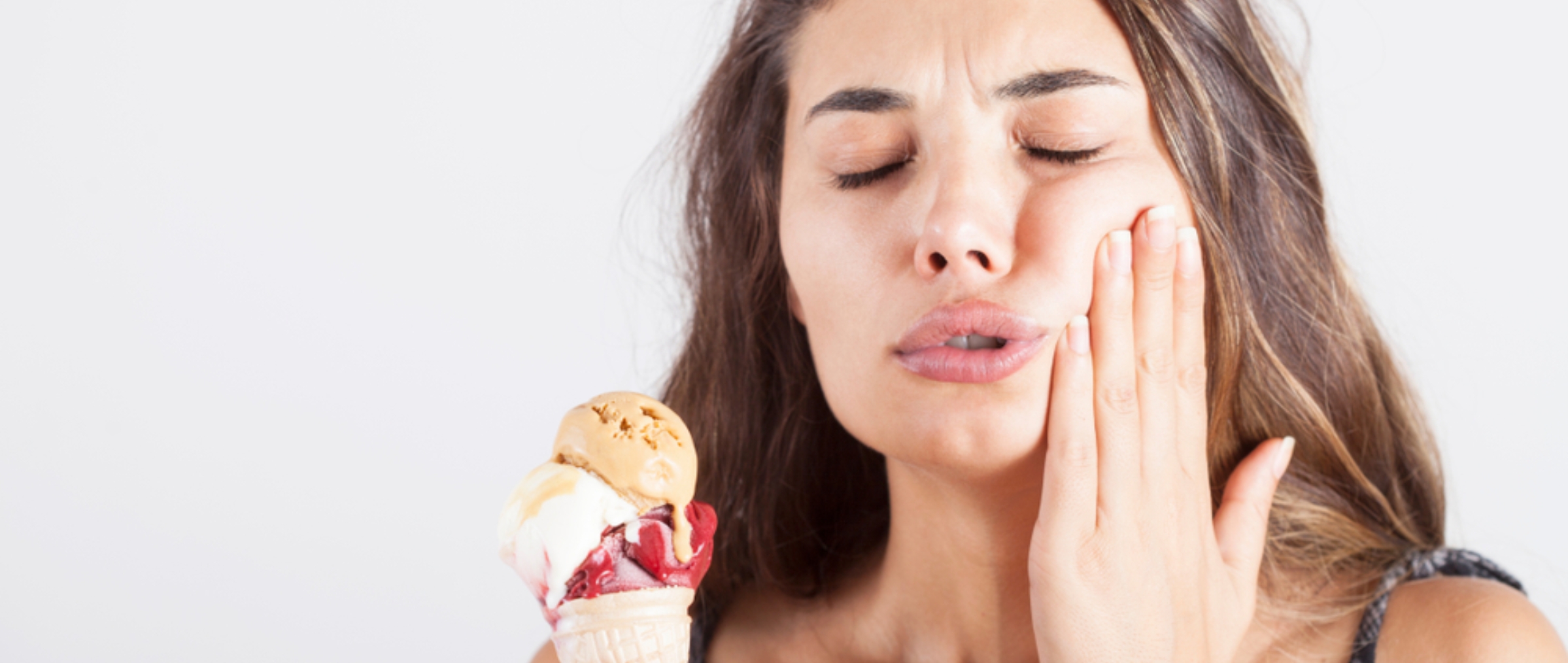
It’s recommended to avoid dairy for at least the first two days post-extraction while the wound is still open, as this reduces the risk of bacteria entering the socket and causing an infection. Ice cream and other cold dairy products should also be avoided for at least 3-4 days because their temperature can cause pain and discomfort in the sensitive area.
Ultimately, whether to consume dairy is a personal choice, but caution is advisable, particularly in the initial days of healing. Maintaining proper oral hygiene, including rinsing with salt water and following your dentist’s guidance, can help minimise risks if you choose to include dairy in your diet after having a tooth extraction.
If you’re desperate for a milky cup of tea after your surgery, it’s best to opt for almond or soya milk for a couple of days to reduce the risk of infection.
Consuming dairy post-tooth extraction carries certain risks, including:
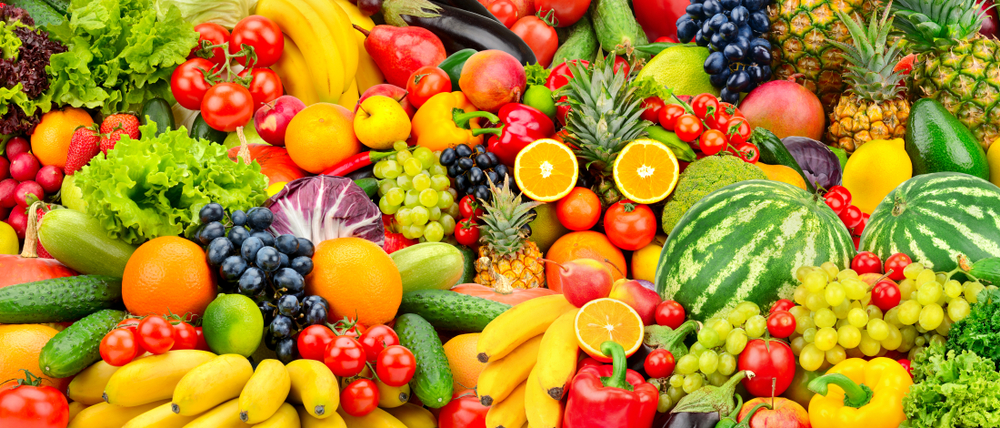
After a tooth extraction, selecting the right foods is essential for comfort and to help your body heal. The best options are soft, smooth, and nutritious, avoiding seeds or small particles that could lodge in the socket. In this way, you can minimise irritation while providing the body with vital nutrients for recovery.
Mashed potatoes are an excellent choice due to their creamy texture and high carbohydrate content, which provides energy. Broths and blended soups, served lukewarm, are comforting and nutrient-dense, offering hydration, minerals, and easy-to-digest calories without risking the blood clot’s stability. Scrambled eggs are a protein-packed option with a soft consistency, aiding tissue repair.
Smoothies made from soft fruits like bananas and blended with protein powder or milk alternatives can be nourishing and delicious, but should be consumed without straws to avoid disturbing the healing socket.
Pureed fruits without seeds, like apples, pears, apricots, or apple sauce, and mashed bananas, are excellent options due to their smooth texture and high nutrient content. They are easy to eat and rich in vitamins like vitamin C, which supports gum healing and boosts immunity during recovery. Berries should be avoided due to the small seeds that can get stuck in the socket.
By focusing on these soft, nutritious foods, you can support healing, prevent irritation, and maintain comfort during the recovery process.
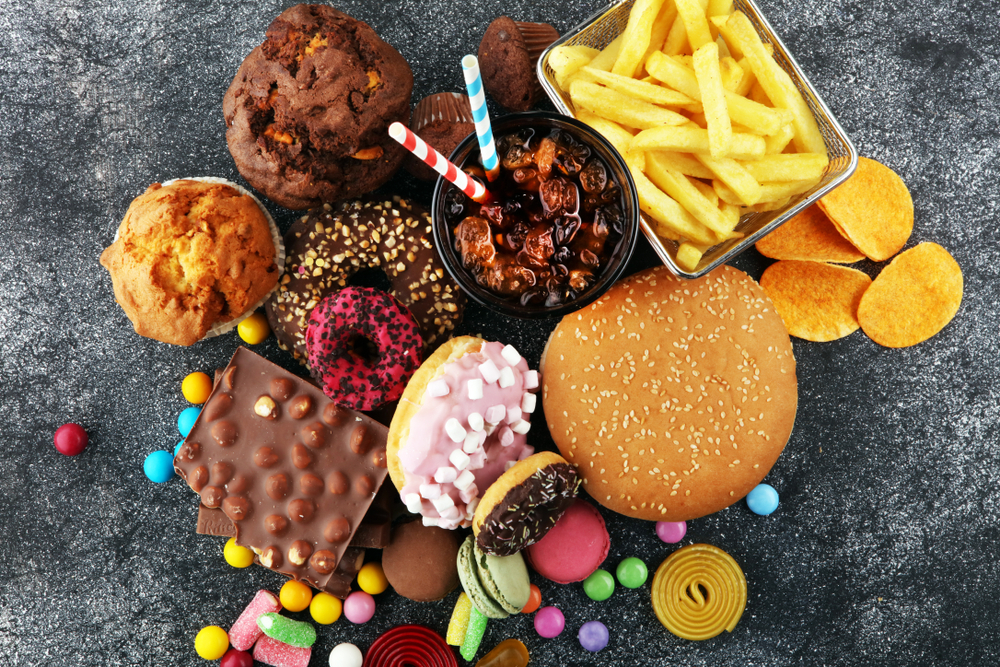
Some foods should be avoided completely on your first few days after surgery and gradually reintroduced as you feel the swelling and pain going down.
Some food and drinks you should definitely avoid for your first 72 hours post-extraction include:
Crunchy, sticky, and hard foods can be incredibly painful to eat after tooth removal. Foods with small bits, like seeds or rice, can become trapped in the socket, increasing the risk of infection.
Spicy or acidic foods may irritate the sensitive gum tissue, delaying healing and causing discomfort. Alcohol and carbonated drinks can disrupt clot formation and interfere with the body’s natural healing process, while extremely hot or cold items can aggravate the sensitivity of the extraction area.
Avoiding these foods and drinks during the first week is essential to protect the wound, minimise discomfort, and promote proper recovery.
The Eye and Dental Clinic excels in post-extraction care, providing expert advice on what to expect post-extraction and managing pain. Their personalised guidance ensures you fully understand your procedure’s necessity, as not everyone has wisdom teeth and many do not require removal, prioritising your health and comfort at every step.
Confused about what to eat after tooth removal? Contact Eye and Dental Clinic today for personalised advice and comprehensive post-extraction care!
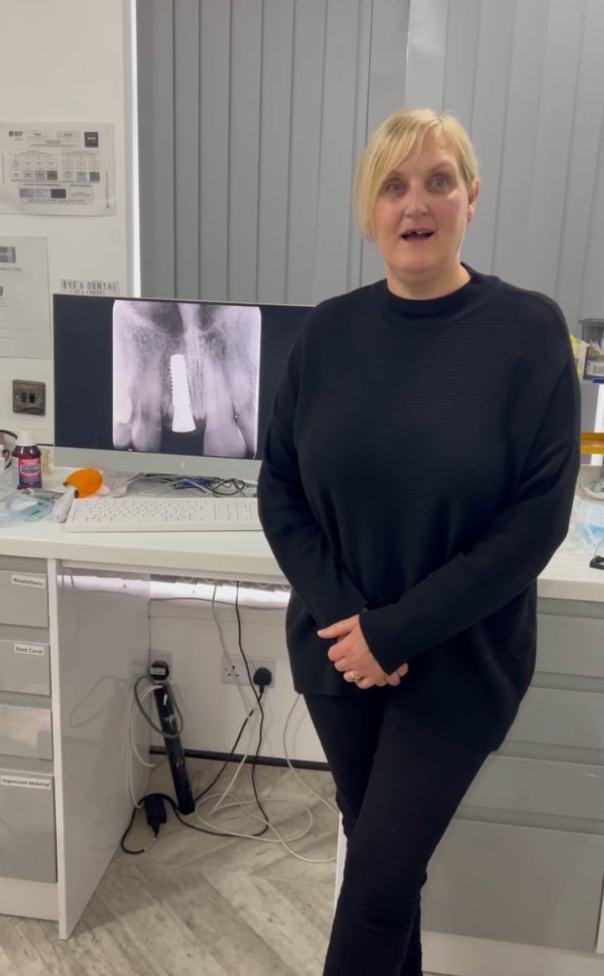
If you’re considering joining us at our clinic, check out patients’ pictures, testimonials or simply book your appointment.
Back to Blog

Discover how our dental treatments have helped patients smile confidently and live better with personalised care, comfort, and lasting results.
View More




Hemlata T
Had a deep clean today with Alla and Rachel, which was great, they were very gentle and even fixed a stubborn stain between my teeth, which they noticed during the...

Amanda K
If I could give more than 5 stars for Mr J Uddin, I would. The reception staff were really polite and helpful. I had my chalazion removal surgery 2 months...
Nicole
Very satisfying. Dr J. Uddin removed a cyst on my upper lid. He explained everything to me before and during the procedure, and he has a very calming appearance. The...
Christine C
I had a great experience here over multiple appointments. I was very nervous beforehand, but Imran (my dentist) helped me stay calm during each visit and explained everything clearly, which...
Hemlata T
Had a deep clean today with Alla and Rachel, which was great, they were very gentle and even fixed a stubborn stain between my teeth, which they noticed during the...
Amanda K
If I could give more than 5 stars for Mr J Uddin, I would. The reception staff were really polite and helpful. I had my chalazion removal surgery 2 months...
Nicole
Very satisfying. Dr J. Uddin removed a cyst on my upper lid. He explained everything to me before and during the procedure, and he has a very calming appearance. The...
Christine C
I had a great experience here over multiple appointments. I was very nervous beforehand, but Imran (my dentist) helped me stay calm during each visit and explained everything clearly, which...
596 reviews

Imran and his team were fantastic throughout my dental journey. I would definitely recommend the Eye and Dental clinic. I am so happy with the way my teeth look thankyou to everyone involved.

An Outstanding Dental Practice!
Well, what can I say about this dental practice, except how can you improve on perfection?
I have undergone several dental procedures of late, some with the lovely Dr Imran and, more recently, with Dr Qasim at Bury Eye and Dental Practice.
Dr Qasim recently rebuilt one of my teeth, which I genuinely feared was ‘doomed’. He has done an absolutely wonderful job! My tooth looks brand new, and you would never know there had been a problem in the first place. He is incredibly talented, takes his time, and is exceptionally patient and calm. He has a wonderful way of putting you at ease, so much so that I didn’t even feel the injection! Dr Qasim is the epitome of professionalism and a true gentleman. I am absolutely delighted with his work and cannot thank him enough.
The care at this dental practice is exceptional. The entire team is wonderfully patient, kind, and caring, taking the time to explain procedures thoroughly and ensuring you feel involved at every stage of your treatment. They listen to and address any concerns you may have, which is particularly important for anyone who experiences genuine anxiety or fear about visiting the dentist.
From the moment you walk through the door, the clinical staff, hygienists, dental nurses, and reception team, makes you feel welcome and at ease.
A special mention must go to Olivia, the receptionist, who is an absolute delight. She greets everyone with warmth and a genuine smile and is consistently friendly, professional and helpful. Olivia goes above and beyond to assist patients with any questions or concerns they may have. Nothing is ever too much trouble for her, and the level of customer service she provides is second to none. She is a real credit to the practice.
It is rare to find a dental practice that shows compassion and kindness, and also provides outstanding customer service. The whole team deserves the highest praise for the care and reassurance they provide.
Bury Eye and Dental Practice comes highly recommended, and I would not hesitate to recommend it to anyone looking for exceptional dental care.
Thank you to all the entire team, You are all a credit to your profession!
Kind regards,
Debra

Before choosing a dentist I looked at the reviews and this one was the only practice with all 5 star reviews. I definitely made the right decision. The practice staff are friendly and welcoming and the dental care received from the dental staff and Dr Qasim Ali are second to none.

I always find Imran and his team extremely professional.
Imran fully explained treatment options to me and gave me time to make a decision on the best treatment plan for me.
The surgery is modern and well equipped with the latest technology, which aids in assessment and prevention of additional problems in the future.
I would not hesitate to recommend this practice, especially for people who need reassurance when visiting the dentist.

I stumbled across Eye & Dental Clinic in Bury while searching online and booked a consultation for the very next day regarding treatment for a chalazion. I couldn’t be happier with the service I received.
The practitioner was extremely honest, knowledgeable, and took the time to explain everything clearly without any pressure. I really appreciated their professionalism and helpful approach, which made me feel completely at ease.
I’ll definitely be returning if I need treatment again, and I wouldn’t hesitate to recommend Eye & Dental Clinic to anyone looking for excellent care.
Write a review (opens in a new tab) See all reviews on Google (opens in a new tab)


