


 25 Oct 2023
If you’re considering getting a dental implant to fill the space in your mouth where a tooth is missing, then it’s only natural that you have lots of questions. At the Eye & Dental Clinic, we are experts in this procedure, so we’ve provided everything you need to know about getting dental implants, including whether you can have them fitted with gum disease.
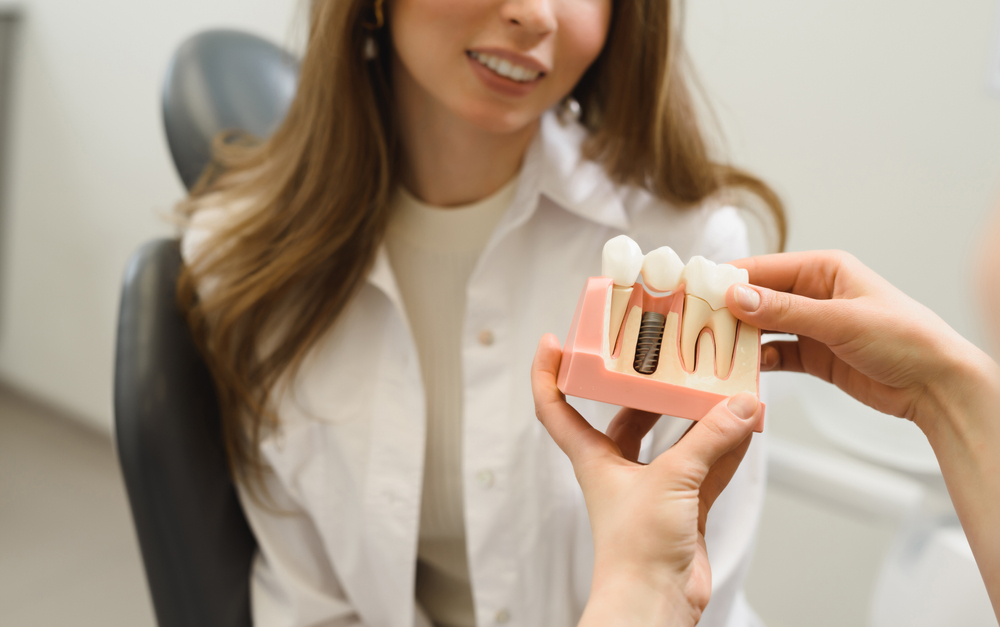
Dental implants are rapidly becoming the most popular, natural-looking way of replacing missing teeth, as no other dental treatment comes close to the results a dental implant has. The design of a dental implant is based on the design of a natural tooth, which includes two main parts: the crown and the root.
For a natural look, the dental implant is carefully crafted to match the colour and shape of the missing tooth, so it feels like part of your teeth like all the rest. The implant part of the procedure replaces the root and is embedded within your gums. If you look after it properly, your dental implant should last a lifetime, and the procedure won’t need to be repeated.
There’s a reason why so many people turn to dental implants to conceal gaps and missing teeth. Here are some of the benefits of getting a dental implant:
The great thing about dental implants is that whilst there may be a short adjustment period while you get used to having a tooth where a gap used to be, it won’t be something you will notice every day because the implant will act just as your natural teeth do. There’s no need to remove it to clean; only eat certain foods because of the difficulty of chewing, and you won’t need to worry about it breaking or becoming loose.
To fit a dental implant, an oral surgeon will cut open the gum to reveal the bone, and holes will be drilled to fit a dental implant metal post. After this procedure, you will need several weeks or months to recover, and the jawbone will grow and reunite with the implant. Once this is complete, the surgeon will fit a piece called the abutment, where the crown will sit. Once you have healed and your jawbone is strong enough, your crown will be fitted.
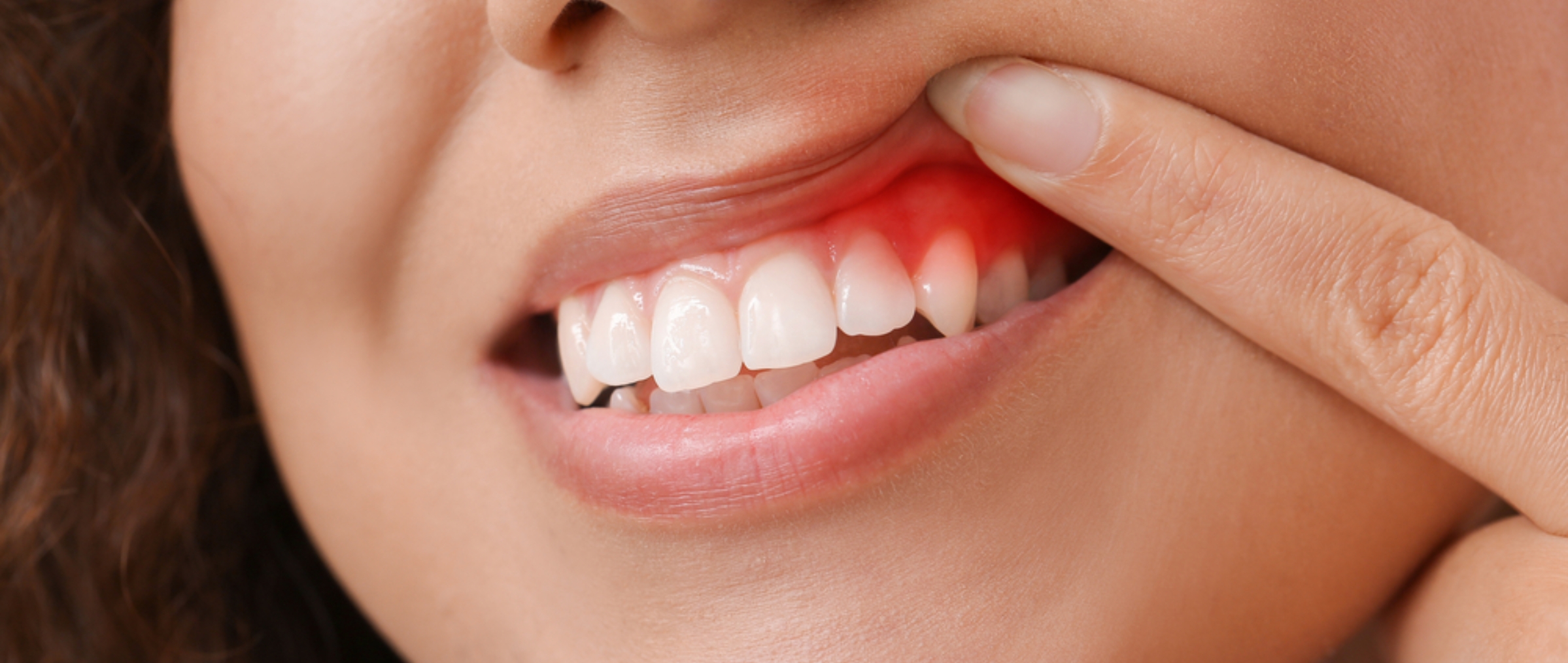
Many people in the UK suffer from gum disease, and while most of the time it isn’t anything serious and can be treated with simple hygiene procedures, it can become a serious issue if not treated.
If you’re considering getting a dental implant, you will need to clear any gum disease first because gum disease weakens and dissolves tissue and bone. Your gum tissue and jawbone need to be intact and strong enough to be able to hold the dental implant.
If you’re not sure if you have gum disease, here are some of the symptoms:
Most of the time, with proper care, gum disease can clear up in a couple of weeks, but there are a few things you need to do, such as:
At the Eye & Dental Clinic, we would be happy to see you and discuss what we can do about gum disease.
A crown covers existing teeth to hide imperfections on a tooth, making it a solution for a tooth that is still there but is broken, weak or worn down, and a filling is no longer an option.
They are also routinely used to strengthen a tooth following a root canal treatment. Created from porcelain or metal, crowns are made in a dental lab to your exact specifications. The restoration is then bonded over your existing tooth (literally ‘crowning’ it). Crowns are also used to secure a Dental Bridge in place.
A dental bridge hides the spaces in your smile caused by large gaps or missing teeth and consists of a prosthetic fitting secured at each end by a Crown. Even if your missing teeth are causing no discomfort, a dental bridge is highly recommended for preventing potential future problems.
These include bite distortion, caused by your remaining teeth shifting to fill the gap, and vulnerability to gum disease and jaw pain. Like Crowns, dental bridges are usually created from porcelain or precious metal and are an excellent fixed alternative to dentures.

Depending on your circumstances, you may have a choice, but the most effective course of treatment for a missing tooth is a dental implant. Because they feel like a natural tooth and they are rooted within your gums just like all others, there isn’t anything more complicated about looking after a dental implant than there is to taking care of your natural teeth.
Dental implants are strong and sturdy, so you can chew and eat whatever you like, unlike bridges and crowns, which sometimes make chewing certain things difficult or cause breakage. The appearance is the same as a natural tooth and feels the same, so you or anyone else won’t know that it isn’t your natural tooth.
A big difference between bridges and dental implants is that implant placement is the only one that replaces not just the crown part of the tooth, but the root too, meaning it is embedded into the gums. Placing an artificial tooth root means that the bone in that area is not reabsorbed by the body, as is the case for bridges. This avoids the likelihood of teeth movement and changes to the shape of the face.
For all of these procedures, you will need to be clear and free from gum disease.
If you don’t think a dental implant is the right treatment for you, maybe you’re looking for something to cover imperfections like veneers or composite bonding. Composite bonding costs as little as £200-£300 per tooth, making it an affordable solution for people who want veneers without the hefty price tag of porcelain. There are two terms used that describe the same procedure: composite bonding and dental bonding.
The cost of traditional veneers, made out of porcelain, is substantially higher, at around £800 per tooth, sometimes more, but the benefits of porcelain compared to composite resin outweigh the costs, not to mention the longevity.
For more information about cosmetic procedures, contact us.
At the Eye & Dental Clinic, we are experts in perfecting smiles, and that includes dental implants. But, we offer more than just that; we’re here to fit veneers, carry out composite bonding and fix dental emergencies, to name just a few of our treatment options. To learn more about us and how we run the surgery, have a look at our cancellations and missed appointments policy and other procedures.
You can visit urgent care, but you will probably experience lengthy wait times and be advised to see an emergency dentist. Visiting us means you’re cutting out the wait and dealing with the problem head-on, meaning we will help you with your dental emergency as soon as possible.
Getting emergency dental care can be challenging if you’re in pain and unsure of what to do. Many people end up going to urgent care because they think it’s their only option, but private dentists like the Eye & Dental Clinic are on hand to help you when you need us the most.
To conclude, getting a dental implant is a great solution for missing teeth, but your jawbone and gums need to be strong and healthy to be able to withstand the surgery and hold the crown in place. This means you need to be free from gum disease in order to have a dental implant. For more information on dental implants or gum disease, contact the Eye & Dental Clinic, and we will be happy to help.
Back to Blog

Discover how our dental treatments have helped patients smile confidently and live better with personalised care, comfort, and lasting results.
View More











Hemlata T
Had a deep clean today with Alla and Rachel, which was great, they were very gentle and even fixed a stubborn stain between my teeth, which they noticed during the...

Amanda K
If I could give more than 5 stars for Mr J Uddin, I would. The reception staff were really polite and helpful. I had my chalazion removal surgery 2 months...
Nicole
Very satisfying. Dr J. Uddin removed a cyst on my upper lid. He explained everything to me before and during the procedure, and he has a very calming appearance. The...
Christine C
I had a great experience here over multiple appointments. I was very nervous beforehand, but Imran (my dentist) helped me stay calm during each visit and explained everything clearly, which...
Hemlata T
Had a deep clean today with Alla and Rachel, which was great, they were very gentle and even fixed a stubborn stain between my teeth, which they noticed during the...
Amanda K
If I could give more than 5 stars for Mr J Uddin, I would. The reception staff were really polite and helpful. I had my chalazion removal surgery 2 months...
Nicole
Very satisfying. Dr J. Uddin removed a cyst on my upper lid. He explained everything to me before and during the procedure, and he has a very calming appearance. The...
Christine C
I had a great experience here over multiple appointments. I was very nervous beforehand, but Imran (my dentist) helped me stay calm during each visit and explained everything clearly, which...
601 reviews

Great experience at my appointment today, staff are lovely and very informative!

Such professional service from Imran and the team, everything gets explained in detail and with care, thank you so much! :)

Great fast and painless experience.

New patient, terrified on arrival. Wonderful receptionist Olivia who calmed me down on the phone making the appointment. Lovely manner from the dental staff who put me at ease straightaway. A lot of treatment ahead but so far excellent and would recommend

The staff were exceptionally helpful and went above and beyond to make me feel at ease. I am anxious about visiting the dentist but the staff were extremely patient and took their time to ensure I had the best care possible. A superb service! Thank you
Write a review (opens in a new tab) See all reviews on Google (opens in a new tab)


